It wasn’t a culture problem: Upleveling alert development at Airbnb

Summary
Taming 300,000 Alerts: How Airbnb Cut Development Cycles from Weeks to Minutes
Revolutionizing Alerting with Prometheus-based Bulk Backtesting and 'Zero Touch' Monitoring
This article explores how Airbnb transformed its alerting culture by solving a critical workflow gap: the inability to validate alert behavior before deployment. By implementing a sophisticated backtesting system, Airbnb enables engineers to ship battle-tested monitoring templates across thousands of services with confidence and speed.
- 01Validating alert behavior against historical data to supplement static code reviews
- 02Implementing 'Terraform Plan'-like Markdown diffs and dedicated Change Report UIs
- 03Leveraging Prometheus rule manager for 100% logic parity between test and prod
- 04Using a 'Noisiness' metric to prioritize human review on potentially problematic alerts
- 05Achieving a 90% reduction in alert noise while migrating 300k alerts to Prometheus
RECOMMENDATION
Highly recommended for SREs and Platform Engineers managing large-scale infrastructure who suffer from alert fatigue. This is a must-read for organizations looking to move beyond basic OaC to a more mature, simulation-driven observability strategy.
The Problem
Traditional Observability as Code (OaC) workflows could validate syntax and logic through code reviews but struggled to predict how alerts would behave against real production data, leading to noise or missed incidents. Validation previously required a weeks-long process of deploying alerts side-by-side with existing ones in production to wait for real-world triggers.
The Solution
Airbnb built a local-first development environment on top of Prometheus, introducing 'Change Reports' for visual diffing and 'Bulk Backtesting' for simulating alerts against historical data during the PR stage. By hooking directly into the Prometheus rule manager, they enabled identical alert evaluation logic between simulation and production.
The Result
The system reduced company-wide alert noise by 90% and collapsed development cycles from weeks to minutes. This infrastructure also facilitated the confident migration of 300,000 alerts from a legacy vendor to Prometheus, a feat previously deemed impossible.
Trade-off
The simulation engine does not automatically resolve recording rule dependencies, requiring a guided workflow for users to handle them manually. Additionally, running large-scale backtests required complex Kubernetes pod management and circuit breakers to prevent resource contention or destabilizing the production environment.
Key Concepts
 More from Airbnb
View all posts from Airbnb프로젝트 라이트하우스 3부 — project-lighthouse-anonymize를 소개합니다
Data PrivacyAnonymizationPython4일 전코로나19의 종식을 알게 된 방법 (그리고 우리 모델이 잊어야 했던 것들)
ForecastingBayesian MethodsMachine Learning1주 전유연한 인증(Flexible Authentication): 에어비앤비의 수백만 사용자를 위한 인증 시스템 재설계
Server-Driven UIAuthenticationMobile Architecture2주 전평가 주도 개발: 대규모 GenAI 평가를 통해 얻은 교훈
LLM EvaluationGenerative AIEval-Driven Development1개월 전게스트 여정 학습을 통한 에어비앤비 검색 개인화
TransformerRecommendationSearch Personalization1개월 전
Related reads#Prometheus
Explore #PrometheusGrafana Mimir에 Kafka를 도입하기 전 미리 알았다면
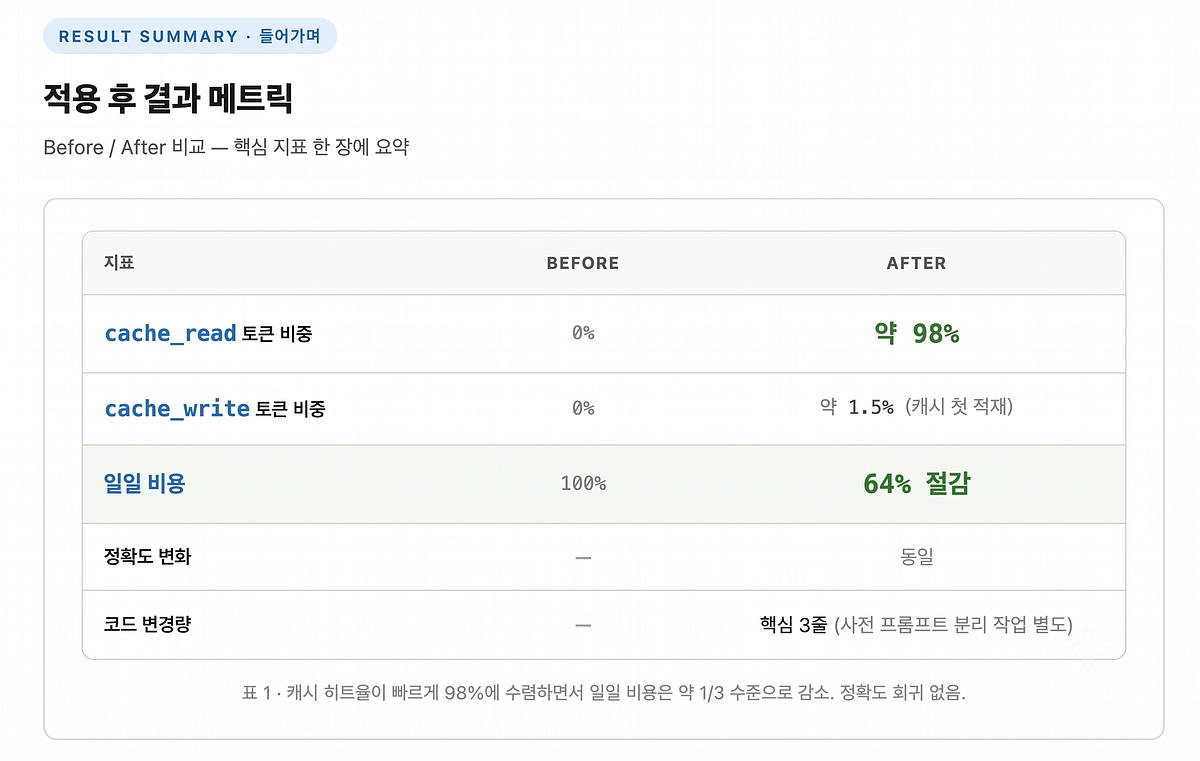
LLM 비용 64% 절감, 캐시 히트율 98% 달성기
대규모 환경에서의 신뢰성 있는 모니터링 구축

옵저버빌리티 Right-Sizing: 여기어때에서 기준을 만드는 법